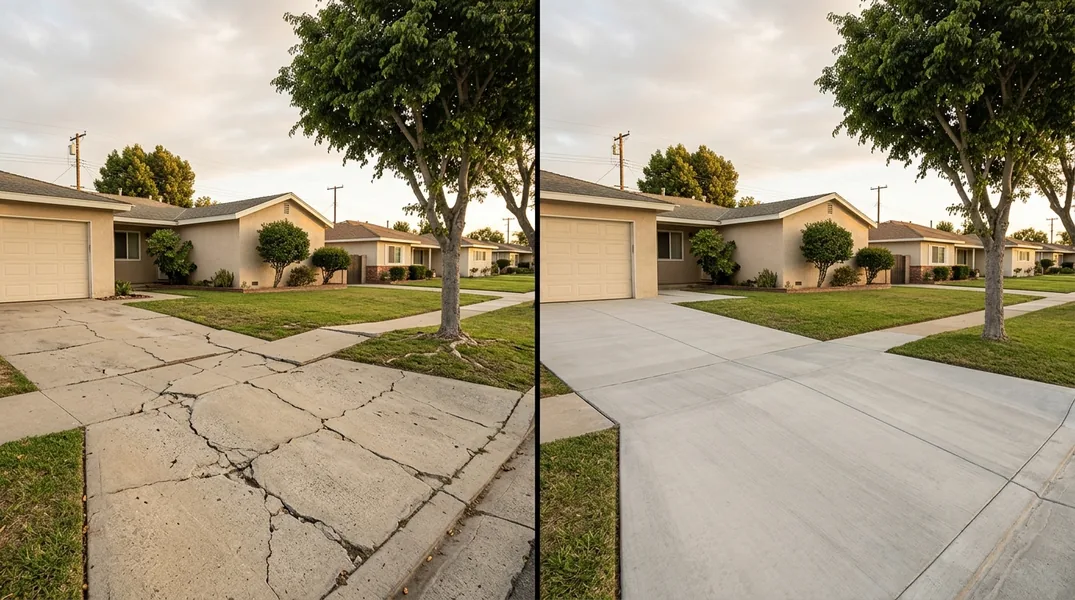
Why Timing Matters for Concrete Pouring in Anaheim
When you're planning to install Concrete Driveways or other concrete projects in Anaheim, the time of year you choose can make a significant difference in the quality and longevity of your investment. Many homeowners don't realize that concrete doesn't simply harden the same way regardless of weather conditions. Temperature, humidity, wind speed, and rainfall all play critical roles in how your concrete cures and sets.
Southern California's unique climate presents both advantages and challenges for concrete work. While we enjoy year-round sunshine compared to northern states, Anaheim experiences seasonal variations that directly impact concrete pouring season. Understanding when to pour concrete California style means accounting for our hot summers, mild winters, and the notorious Santa Ana winds that sweep through the region. Poor timing can result in cracking, uneven curing, color inconsistencies, and premature deterioration of your concrete surfaces.
Spring: The Ideal Concrete Pouring Season in Anaheim
Spring, particularly March through May, represents the optimal window for concrete work in Anaheim. During these months, temperatures typically range between 60 and 75 degrees Fahrenheit, which is nearly perfect for concrete curing. The concrete needs moderate warmth to hydrate properly, but excessive heat accelerates the curing process too quickly, causing surface cracks and reducing overall strength. Spring offers that Goldilocks zone where conditions are just right.
Beyond temperature, spring in Anaheim brings lower humidity levels and more predictable weather patterns compared to summer and fall. This consistency allows concrete to cure evenly without the risk of rapid moisture loss that occurs during scorching summer days. If you're considering Concrete Patios or other decorative installations, spring is particularly advantageous because the moderate conditions help achieve uniform color and finish. Additionally, spring typically sees fewer Santa Ana winds fresh concrete would be exposed to, reducing the risk of surface damage during the critical early curing period.
Summer Heat and Santa Ana Winds: Challenges for Fresh Concrete
Summer in Southern California, from June through August, presents significant challenges for concrete pouring. Temperatures regularly exceed 90 degrees Fahrenheit and can climb into the triple digits, creating an environment where concrete cures too rapidly. When fresh concrete is exposed to extreme heat, the surface dries much faster than the interior, causing differential stress that leads to cracking. The outer layer hardens while the inner concrete is still setting, resulting in structural weaknesses that may not be immediately visible but can cause problems years down the road.
The Santa Ana winds fresh concrete encounters during late summer and early fall create an additional complication. These powerful, dry winds can sweep across Orange County and surrounding areas with gusts exceeding 40 miles per hour, accelerating moisture evaporation from the concrete surface. This rapid evaporation combined with intense heat creates perfect conditions for surface crazing and cracking. If you absolutely must pour concrete during summer, professional contractors can employ cooling techniques and specialized curing methods, but these add to your project pricing and complexity. It's generally wiser to wait for more favorable conditions unless your project has an urgent deadline.
Fall and Winter: Secondary Windows for Concrete Work
Fall, from September through November, can work for concrete pouring, though it requires careful attention to Santa Ana wind patterns. Early fall still carries summer heat, but as October and November approach, temperatures moderate significantly. However, this is precisely when Santa Ana winds are most active, and the dry, gusty conditions they bring can damage fresh concrete. If you're planning fall concrete work in Anaheim, consult with experienced contractors who understand local wind patterns and can schedule pours during calmer periods.
Winter months from December through February offer another viable window, though with different considerations. Temperatures rarely drop below 50 degrees in Anaheim, which is still acceptable for concrete curing. The main concerns during winter are occasional rainfall and the need to protect fresh concrete from water exposure during the first 24 to 48 hours after pouring. Concrete cures more slowly in cooler temperatures, which can actually be beneficial as it reduces the risk of rapid surface drying and cracking. However, winter rains and lower temperatures mean longer curing times overall, which might delay your project timeline if you need to use the surface quickly.
Concrete Curing Hot Weather: What Happens and How to Manage It
Understanding concrete curing hot weather dynamics is essential for any homeowner planning outdoor concrete work. When temperatures soar, the chemical reactions that harden concrete accelerate dramatically. While this might seem beneficial, it's actually problematic because the concrete needs time to develop its full strength. Rapid curing creates internal stress, weak bonds between cement particles, and surface defects that compromise durability. Professional contractors know that the goal isn't just to get concrete hard quickly, but to get it hard correctly.
If you're installing Stamped & Decorative Concrete during warmer months, the challenges multiply. Decorative finishes require precise timing for stamping, coloring, and sealing. Excessive heat makes this work more difficult and increases the risk of color variations and pattern inconsistencies. Experienced contractors combat hot weather curing issues through several strategies: applying curing compounds that slow moisture loss, using shade cloth or misting systems, scheduling pours for early morning or late afternoon, and sometimes even using cooled water in the concrete mix. These preventative measures add to project costs but are far less expensive than dealing with cracked, damaged concrete later.
Planning Your Concrete Project: When to Call Anaheim Concrete
The best approach to determining when to pour concrete in your Anaheim home is to work with local professionals who understand regional weather patterns and seasonal variations. Anaheim Concrete has years of experience scheduling projects for optimal conditions and managing weather-related challenges. Whether you need Concrete Repair & Resurfacing or a brand new installation, timing can significantly impact your results and long-term satisfaction.
If you're ready to discuss your concrete project and get professional guidance on the best time to proceed, contact Anaheim Concrete today. Call us at (657) 300-4942 or visit our website to request a free estimate. Our team will evaluate your specific project, discuss seasonal considerations, and help you plan for success. Don't let poor timing compromise your investment. Reach out now and let's create a concrete solution that lasts for decades to come.
Looking for a professional concrete contractor in Anaheim? Anaheim Concrete responds fast for all your concrete needs.
Get a Free QuoteOur services: Concrete Driveways · Concrete Patios · Stamped & Decorative Concrete